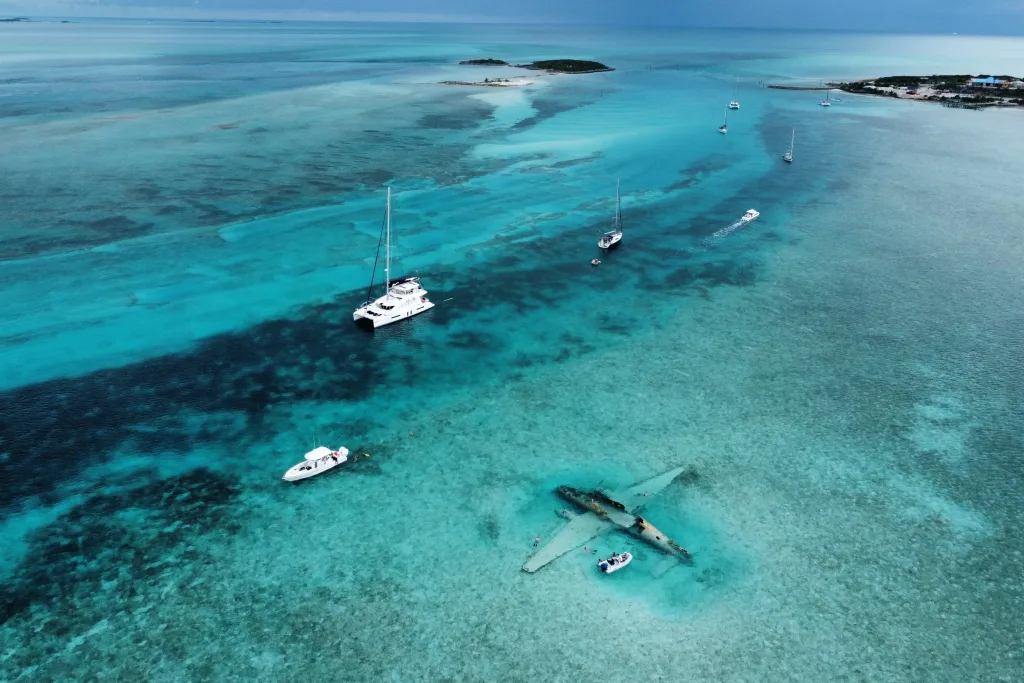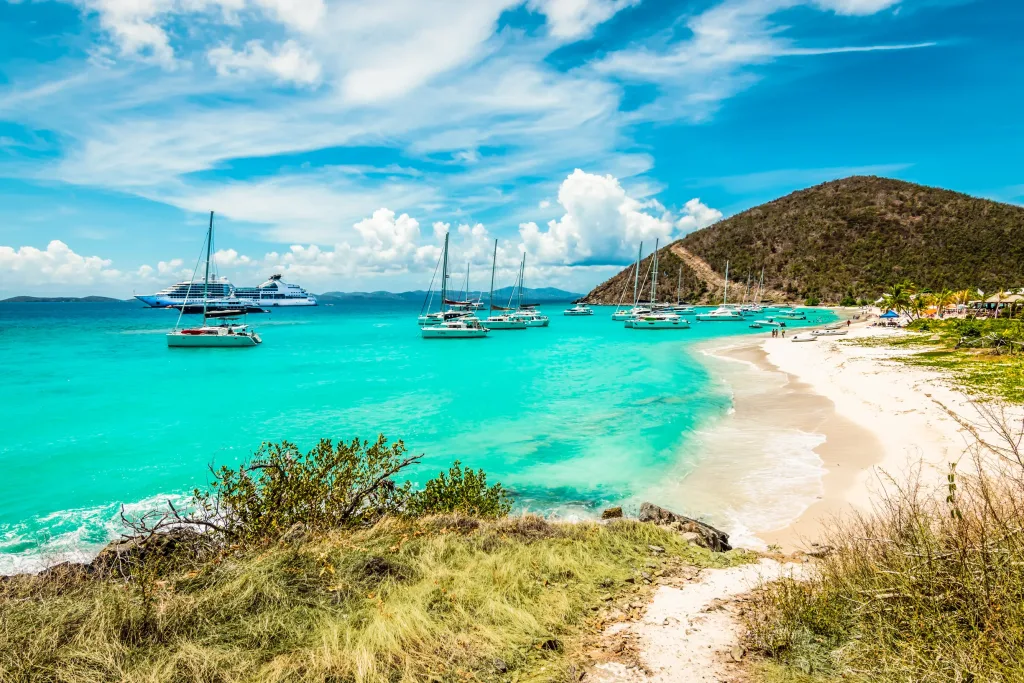
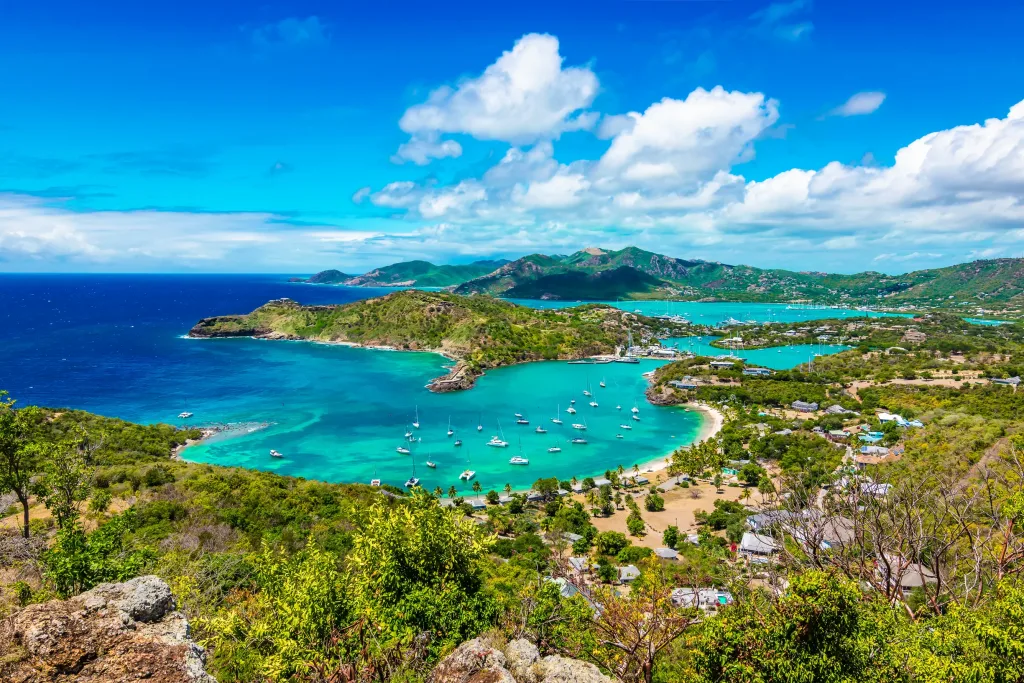
Antigua & Barbuda 7-Night Catamaran Itinerary: English Harbour to Pink Sand
A week-long Antigua catamaran itinerary linking Nelson’s Dockyard, the island’s best bays and a two-night Barbuda detour to the pink-sand beach.
Read more
The honest answer to “what happens if a hurricane hits my charter week” depends almost entirely on one document most people never read: the cancellation clause in their charter agreement. A good hurricane charter rebooking policy turns a ruined summer trip into a credit toward another week. A vague one leaves you arguing over a deposit while the storm is still spinning.
So before you put money down on a summer or early-autumn Caribbean catamaran, it pays to understand exactly how these clauses are written, what triggers them, and where the gaps are. The short version: most reputable operators will move your booking if a named storm threatens your base, but the timing, the form of compensation, and who decides are all negotiable details worth pinning down in writing.
The Atlantic season officially runs June 1 to November 30, but the risk is far from flat across those six months. June and July see relatively few storms reach the eastern Caribbean; the real spike comes from mid-August through early October, with September the busiest month most years. That pattern shapes pricing and it should shape how hard you push on contract terms.
Book a week in late June and the odds of a direct hit are low, though not zero. Book the first week of September and you are sailing in the statistical heart of the season, which is precisely why crewed and bareboat rates often dip 25 to 40 percent compared with the December-to-April high season. Cheaper boats, emptier anchorages, a real chance of weather disruption. That trade-off is the whole game.
For a fuller breakdown of how the months stack up, our guide to the best time to charter a catamaran in the Caribbean lays out the seasonal calendar alongside pricing, so you can weigh storm risk against savings before you commit to a date.
The clause that matters most is usually called a hurricane or named-storm cancellation policy. It defines the conditions under which you can cancel or postpone without losing your money. Read it closely, because the wording varies a lot between companies.
Most clauses activate only when the National Hurricane Center issues a named tropical storm or hurricane warning for your specific charter base or cruising area, within a defined window of your start date. A vague forecast or a storm five days out usually is not enough; the warning generally has to be active and pointed at your waters. Some operators set the trigger at a hurricane watch, others wait for a warning, which can be a 24-to-48-hour difference when you are trying to decide whether to fly.
Clauses commonly apply when a warning is in effect within 24, 48, or 72 hours of either your departure or your scheduled check-in. A 72-hour window is far more generous than a 24-hour one, since storms rarely sit still and a tighter window can lapse just as the weather turns. If you are booking deep in the season, the width of this window is one of the most important numbers in the whole contract.
Here is where expectations and reality often part ways. Many policies offer a future credit or a free date change rather than a cash refund. You typically keep the value of your booking and apply it to another week within 12 to 24 months, sometimes with a price-difference top-up if you move to a pricier season. Full cash refunds exist but are less common, and they often carry conditions, such as the storm forcing a base closure. Read whether the credit covers the full amount or only the charter fee minus fees already incurred.
A different set of rules applies once you are already aboard. If a system develops during your week, the charter company and base manager take over. Bareboaters are usually required to return to base or move to a designated hurricane hole, and the crew follows a storm plan that may cut your sailing short.
In practice, most operators do not refund days lost to weather once a charter is under way, though some pro-rate or offer partial credit at their discretion. This is the part travellers most often misjudge: the named-storm clause protects you mainly before departure, not during. If reliability matters more than savings, that argues for sailing earlier in the season, a point our overview of the Caribbean sailing season calendar and regattas reinforces with month-by-month detail.
Even a generous rebooking policy rarely covers your flights, lost vacation days, or non-refundable hotels on either end. That is where named-storm travel insurance comes in, and the timing rule is strict: most policies only cover a storm if you bought the plan before the system was named. Wait until a forecast looks ugly and you have missed the window.
Two things to look for. First, a “trip cancellation/interruption” benefit that explicitly lists hurricanes and mandatory evacuations as covered reasons. Second, a “cancel for any reason” upgrade, which costs more but pays a percentage back even when the named-storm trigger technically is not met. For a peak-September booking, that upgrade can be worth the premium. Many charterers also fold the cost into their wider trip budget, the way our Caribbean catamaran charter cost breakdown treats it as one line among fuel, provisioning, and base fees rather than an afterthought.
Before any money changes hands, get clear answers in writing on the points below. A reputable broker or company will not hesitate; evasiveness is itself an answer.
Keep the email trail. Verbal reassurance from a friendly agent is worth little if a dispute lands six weeks later. Most crews who sail the late season without drama did one boring thing well: they read the clause and confirmed the details before signing.
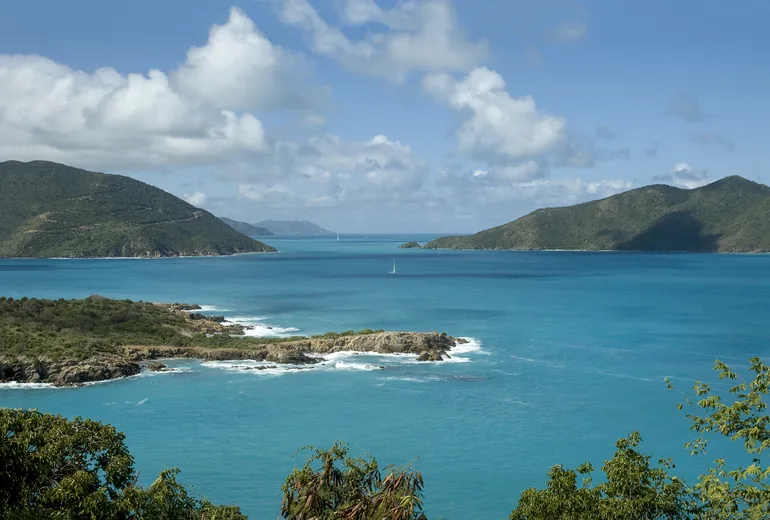
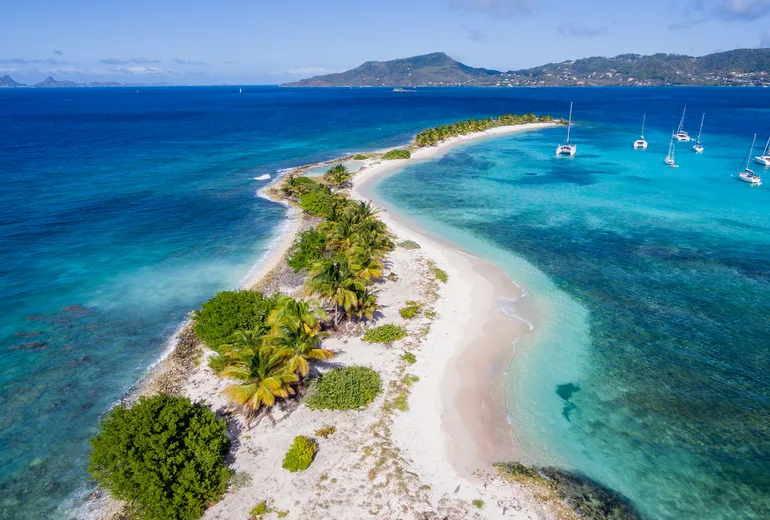
Geography quietly shapes your risk too. The British Virgin Islands and the wider northeastern arc sit squarely in the classic hurricane corridor. Destinations further south, such as Grenada and the southern Grenadines, fall largely below the main belt and are statistically less storm-exposed in any given year, which is one reason insurers often treat them differently and why some charterers point a late-season trip that way.
None of that makes the south immune; tropical systems can and occasionally do track unusually far south. But if you have your heart set on August or September sailing, weighing a base like Grenada against a BVI start is a sensible part of the planning, alongside reading the fine print. The combination of a lower-risk base and a clearly written rebooking policy is what lets experienced charterers enjoy the quiet, cheaper season with their eyes open.
Sometimes, but a future credit or free date change is far more common than a cash refund. Many policies activate only when the National Hurricane Center issues a named-storm warning for your base within a set window before check-in. Read whether your remedy is cash, credit, or rebooking before you pay.
Typically when a tropical storm or hurricane warning is active for your specific cruising area within 24 to 72 hours of your departure or check-in. A wider window protects you more, since storms move and a 24-hour cutoff can lapse just as conditions deteriorate.
For an August or September booking, it is usually worth it. Look for a plan that names hurricanes and mandatory evacuations as covered reasons, and buy it before any threatening system is named, since coverage rarely applies to a storm that already exists when you purchase.
Many people do, especially in June, July, and the far south, where risk is lower. Boats are cheaper and anchorages quieter. The key is a clearly written named-storm clause, flexible flights, and insurance, so a disrupted week becomes a rescheduled one rather than a lost deposit.
The base manager takes over. You will likely be asked to return to base or move to a designated hurricane hole, and lost days are not usually refunded once the charter is under way. The rebooking policy mainly protects you before departure, not during.
Planning a summer or shoulder-season trip and want the numbers to match the risk? Browse our full library of guides on the Catamaran Charter Caribbean blog to line up season, budget, and the right base before you book.
Six short questions, then a real reply within four working hours.