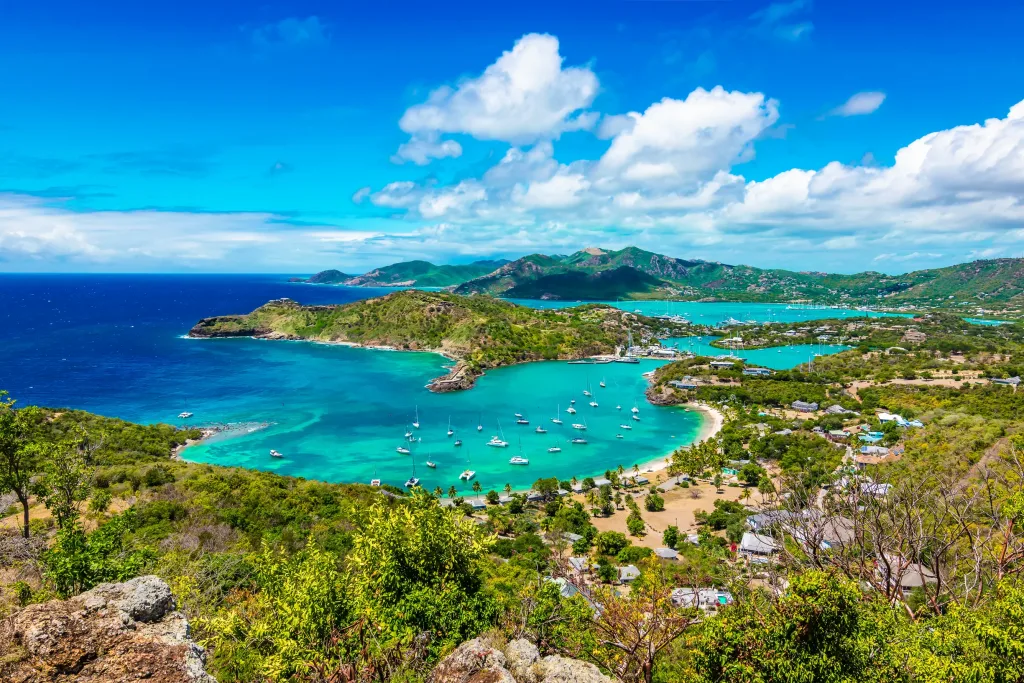
Antigua & Barbuda 7-Night Catamaran Itinerary: English Harbour to Pink Sand
A week-long Antigua catamaran itinerary linking Nelson’s Dockyard, the island’s best bays and a two-night Barbuda detour to the pink-sand beach.
Read more
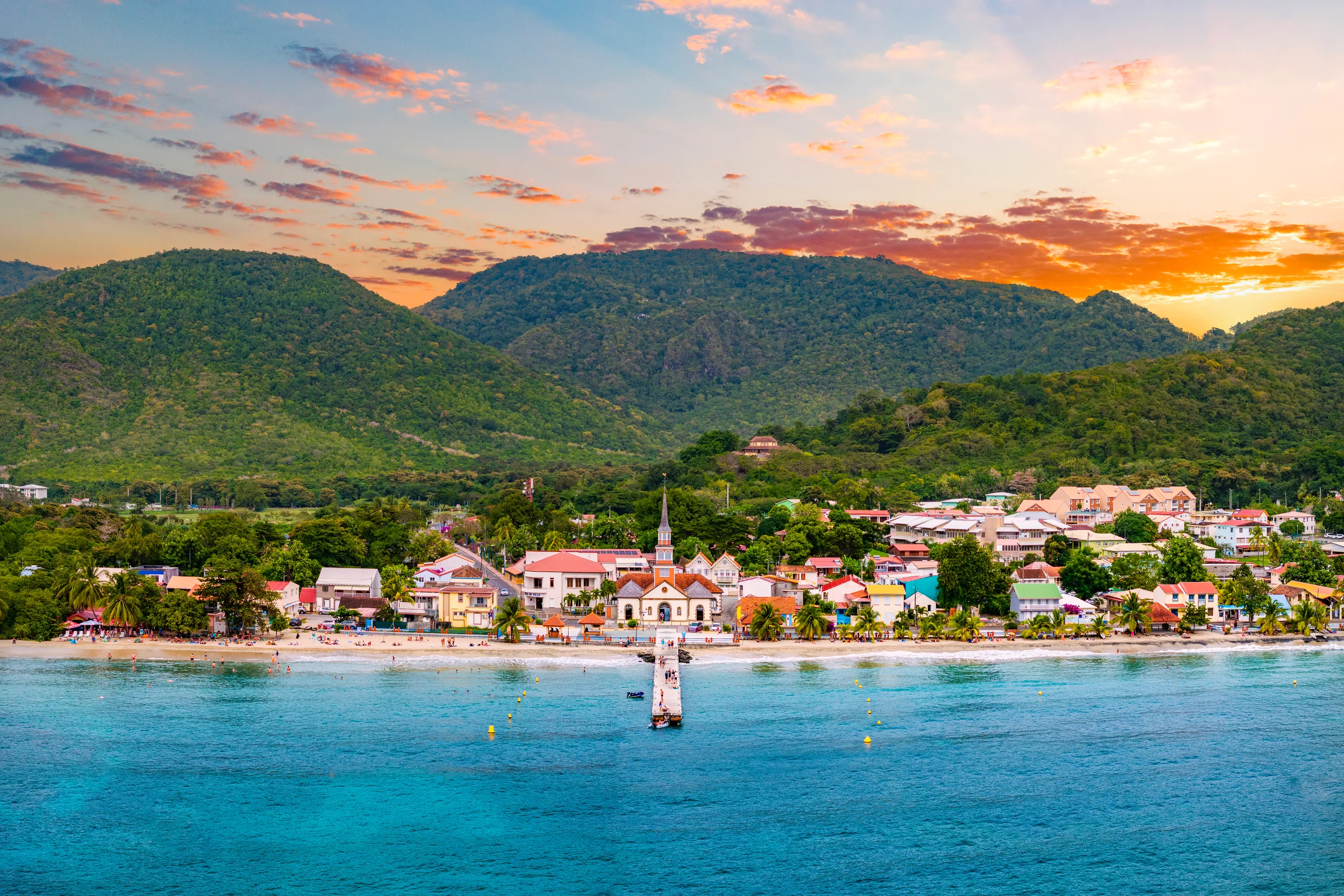
Martinique is the most French of the French Caribbean — an overseas department of France with euro currency, French law, French baguettes, and a serious chart of indigenous wines and rum varieties. For catamaran charters, that pairing — Caribbean weather plus French infrastructure — makes for a charter week that’s noticeably different from the BVI or Bahamas. The mooring system is structured. The wines on the boat menu are real. The Mount Pelée volcano dominates the northern half of the island, and the Saint-Pierre wreck dives are some of the Caribbean’s underrated underwater stops.
Martinique sits in the middle of the Windward Islands chain — 90 nm north of St. Vincent, 80 nm south of Guadeloupe. Reliable easterly trades blow 12 to 20 knots through peak season, easing in summer to 10 to 14 knots. The leeward (west) coast is the working sailing ground; legs from Le Marin in the south to Saint-Pierre in the north run 30 nm and stay in protected water. The windward (east) coast is exposed Atlantic and reserved for experienced skippers.
Le Marin’s marina holds over a thousand berths — making it the densest charter base in the entire Caribbean by fleet size. The major international and French charter operators all run large catamaran fleets here. Pre-departure provisioning is straightforward; the marina’s chandlery and supermarket are walking distance.
A 5 nm shake-down sail east to Sainte-Anne, the village at the south end of the island with the prettiest bay on the leeward coast. Anchor in clear sand, swim, walk into the village for an evening at Pignon sur Mer — fresh-caught fish, a glass of Martinique’s Clément Premier rhum agricole, and the view of Diamond Rock offshore.
A 12 nm reach north along the leeward coast. Anses d’Arlet is the Caribbean village postcard — a small church on the waterfront, painted boats pulled up on the sand, snorkeling with turtles in the bay. The village’s bakery is the morning provisioning stop for fresh baguettes; the grilled fish at Ti Sable is the lunch order.
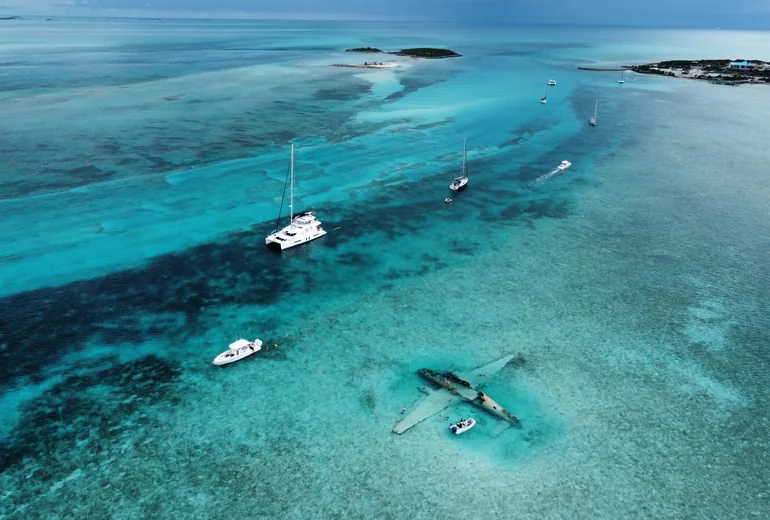
A 30 nm reach north to Saint-Pierre, the former capital destroyed by Mount Pelée’s 1902 eruption. The harbour holds twelve shipwrecks from the eruption — the Roraima at 50 m, the Tamaya at 30 m, the Diamant at 20 m. All are advanced dives; the Roraima is one of the Caribbean’s iconic wreck dive sites. Spend the afternoon ashore in the rebuilt town and dinner at La Vague du Sud.
A short 3 nm hop south to Carbet, where Christopher Columbus first landed on Martinique in 1502. The black-sand beaches here run the length of the bay; rum-distillery tours at Habitation Depaz (the on-site distillery at the foot of Mount Pelée) take 90 minutes and end with a tasting. The blanc agricole bottled here is the rum to take aboard.
A 10 nm reach south to Fort-de-France, the modern capital. Anchor in the bay outside the commercial port and tender into the marina. The Schoelcher Library — Belle Époque iron-frame architecture — is the cultural stop; the Marché Couvert is the provisioning stop for fresh produce, spices, and local goat cheese.
A 12 nm reach south back to Le Marin for Saturday-morning return.
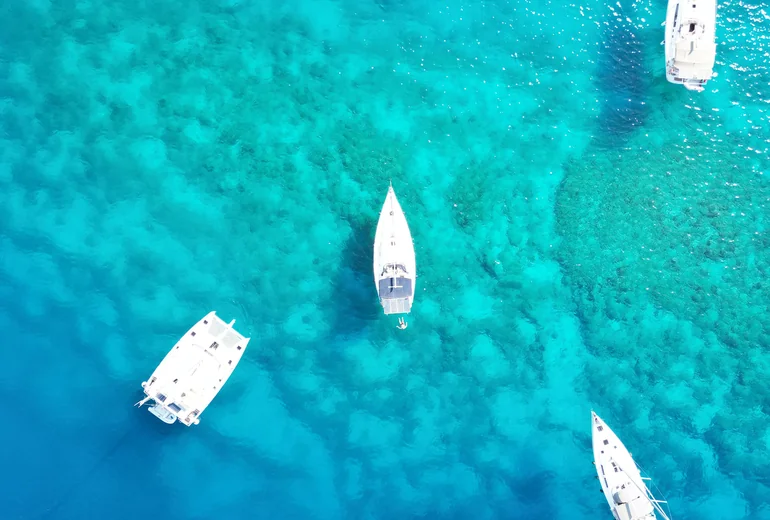
Martinique’s fleet is dominated by Lagoon and Bali, with Fountaine Pajot and Catana well represented at the higher end. Bareboat shoulder season (May, June, November): USD 6,500 to 10,500 a week. Peak (mid-December to April): USD 11,000 to 17,500. Crewed adds USD 4,800 to 6,500.
French regulations apply. RYA Day Skipper is widely accepted; the French-only permis hauturier is also acceptable. ICC certificates from EU member states are recognised. A skipper resume covering at least three multi-day passages on a similar size catamaran is required. If you don’t hold a recognised certificate, a captain runs USD 220 to 290 a day.
Martinique’s culinary identity is rhum agricole (sugarcane juice rum, distilled fresh, not from molasses) and the Creole-French fusion menu of fish and tropical produce. The dishes to order ashore: accras de morue (salt cod fritters), boudin Créole (Creole blood pudding), grilled mahi-mahi with pineapple chutney, and ti’punch (the rum-lime-sugar cocktail) before dinner. Wines on the boat menu can include actual French Burgundies and Bordeaux at duty-free pricing — uncommon for a Caribbean charter ground.
Five major distilleries operate on Martinique: Clément (south, near Le François), Saint James (centre, near Sainte-Marie), Depaz (north, at the foot of Mount Pelée), Neisson (Carbet area), and HSE (Saint-Joseph). Most offer 90-minute tours including blanc and aged tastings; some have small restaurants on-site.
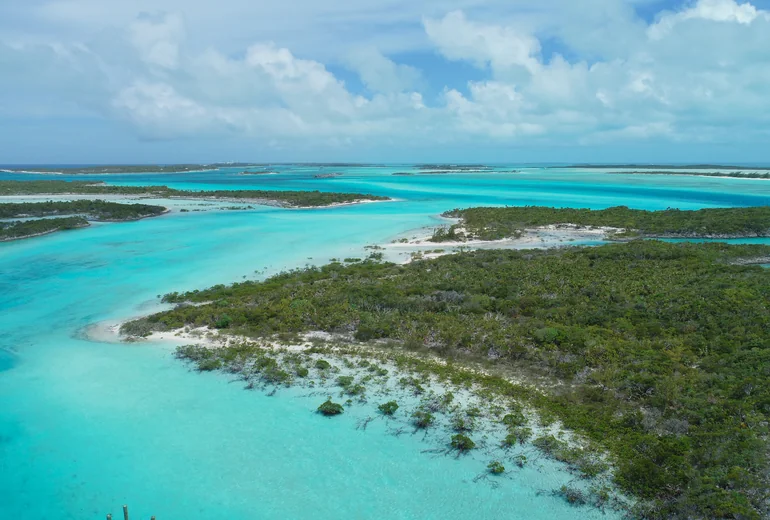
Martinique is the French-speaking, food-and-rum focused alternative to the BVI‘s mooring-ball-and-painkiller density. Compared to Grenada, Martinique sits further north (within the hurricane belt) but offers richer cultural depth and the wreck dives at Saint-Pierre.
For full destination data, see our Martinique destination overview. Browse the Caribbean catamaran fleet for boat options. Request a personalised quote with preferred Martinique routing.
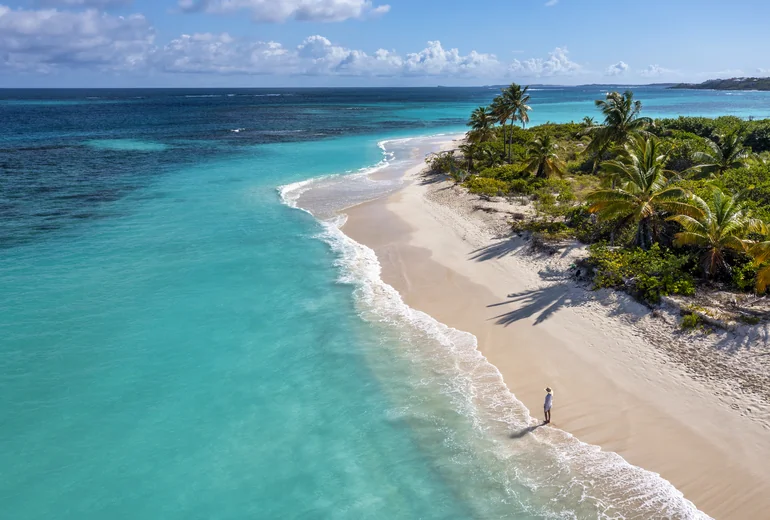
Yes. Martinique is an overseas department of France and a full member of the European Union. EU passports require no entry visa; the currency is the euro; standard French regulations apply on board (drinking age, smoking restrictions, etc.).
RYA Day Skipper, RYA Yachtmaster, ICC, US Sailing Bareboat Cruising, ASA 104, or the French permis hauturier. A logbook showing at least three multi-day catamaran passages is also required by most operators.
No. The Roraima sits at 50 m, requiring advanced trimix or rebreather certification. The Tamaya at 30 m requires advanced open-water and deep-dive specialty. The Diamant at 20 m is approachable for advanced open-water divers. Most charter weeks pair with a local dive operator (Plongée Passion is the standard pick) for a half-day morning trip.
Yes — many catamaran charters from Le Marin run a one-way south to Rodney Bay, St. Lucia (45 nm), with one-way drop-off fees of USD 850 to 1,500. Beyond St. Lucia south to Bequia, Mustique, and the Tobago Cays adds another 80 nm of comfortable trade-wind sailing.
This guide was prepared by the Catamaran Charter Caribbean editorial team — charter brokers and sailors who have been organising yacht charters across the French and English Caribbean since 2013. Every itinerary, distillery, and pricing range reflects current first-hand fleet experience and partnerships with Le Marin charter operators. Last reviewed: May 2026.
If a detail looks out of date, write us at www.catamaran-charter-caribbean.com/contact.
Six short questions, then a real reply within four working hours.