BVI vs Bahamas vs Grenadines: Charter Cost per Person per Day Compared
A worked cost-per-person-per-day comparison of the BVI, Bahamas, and Grenadines, fees and taxes included, plus who each suits.
Read more
The Caribbean charter calendar is shaped by two forces: the trade-wind cycle that defines sailing conditions, and the Atlantic hurricane season that defines weather risk. The “best month” question has no single answer — the answer depends on where you charter (BVI, Bahamas, Grenada, Martinique each behave differently), what tradeoffs you accept (peak weather vs peak prices), and how flexible your dates are. This guide breaks down the season-by-season reality so you can pick the week that fits your priorities.
The Caribbean charter year divides into four functional seasons rather than the four traditional seasons.
This is the iconic Caribbean charter window. Trade winds 12 to 18 knots from the east-northeast, water temperatures 26 to 28°C, rainfall under 50 mm per month, sky cover usually 10 to 30%. The conditions that put the Caribbean on the charter map are reliably present.
The cost: peak pricing across all charter grounds. BVI Lagoon 46 bareboat runs USD 11,000 to 18,000 a week. Bahamas similar. Restaurants book 2 to 3 weeks ahead. Mooring balls in popular bays fill by 13:00 on most days. The Christmas-to-New Year week and the Easter week carry an additional 25-35% surcharge.
This is the value window. Trade winds slightly softer (10 to 16 knots), rainfall up to 100 mm per month with afternoon thunderstorms, water still 27 to 29°C. The cruising conditions remain genuinely good; the crowds and prices both ease 20 to 30%.
May is the sweet spot. Peak weather is still holding (winds, low rainfall), spring break is over, hurricane season hasn’t begun, and pricing is roughly 70 to 80% of December. November is similar — late hurricane season has effectively ended, trades have reasserted, and Christmas surcharges haven’t kicked in yet.
The official Atlantic hurricane season runs June 1 to November 30, with peak activity August 15 to October 15. Named storm probability rises to roughly one in three for any given charter week in August or September across the central Caribbean (USVI, Antigua, St. Martin).
What this means in practice: charter weeks during hurricane season carry insurance and refund clauses for named-storm events. Prices drop dramatically (40 to 50% below peak), the islands feel uncrowded, and many charter weeks happen without weather incident — but the unpredictability is real. Confirm storm-path refund policies with the operator at booking.
Grenada (12°N) and Trinidad (10°N) sit south of the historical hurricane track. Insurance carriers classify both as outside the belt; charter weeks run year-round with significantly lower weather risk. Many BVI operators relocate fleets to Grenada in September and October — Grenada actually gets the largest charter fleet selection during shoulder months. Read more in our Grenada catamaran charter guide.
Three peak weeks within peak season carry surcharges: Christmas-New Year (December 22 to January 5), Easter (the Friday before Easter Sunday through the following Sunday), and US Spring Break (mid-February through end of March, varies by university). Pricing on these weeks runs 25 to 50% above December baseline, restaurants book 4 to 6 weeks ahead, and family-group charters need to lock dates 6 to 9 months out.
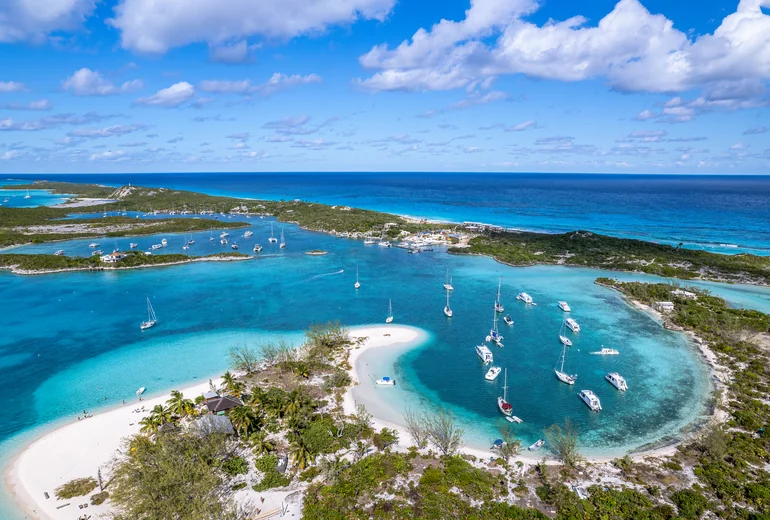
Christmas Eve in Foxy’s at Jost Van Dyke. New Year’s Day in The Bight at Norman Island with fireworks reflecting off The Caves. Easter sunrise services at Tortola’s Sage Mountain. The energy of the busiest charter weeks of the year. If those moments are the point, the surcharge is worth it. If not, mid-January through mid-March or April-after-Easter both deliver similar weather without the festive premium.
The opening of peak. Trades reasserting, rainfall low, water 27°C. Restaurants resume full hours. December 1 to 21 is typically the best-value peak-season week — peak weather, sub-Christmas pricing.
Peak in every dimension. Strongest trades, lowest rainfall, sharpest visibility under water. Pricing high but consistent. The “sweet spot” peak week most charter brokers recommend.
Peak weather continues but spring break weeks (mid-March onward) carry surcharges similar to Christmas. Easter timing varies — confirm whether Easter falls in March or April for your year.
The last peak month. Trades still reliable but starting to ease. Easter surcharge if Easter falls in April. Late April (post-Easter) is excellent value with peak conditions still holding.
The shoulder sweet spot. Peak weather largely intact, post-spring-break crowds gone, pricing 70 to 80% of December. The single best month for a value charter.
Still shoulder, but rainfall increasing toward 100 mm per month with afternoon storms. Hurricane probability still very low. Good pricing, lighter winds, hot water.
Peak summer heat (water 29°C), lighter trades (8 to 14 knots), highest convective storm activity. Hurricane probability begins to rise mid-August. Many central-Caribbean operators reduce fleet availability and reposition south. Grenada and Trinidad remain reliable.
Peak hurricane months. Charter activity at its lowest across the central Caribbean. Pricing at year-low (40-50% below peak). Storm-path refund policies become essential. Grenada/Trinidad/southern Windwards remain safer alternatives.
Hurricane season closing. Trades reasserting from mid-month. Restaurants resuming full hours. Pricing 70 to 75% of December. November 15 to 30 is a near-peak-quality value window.
Different Caribbean grounds have different optimal months:
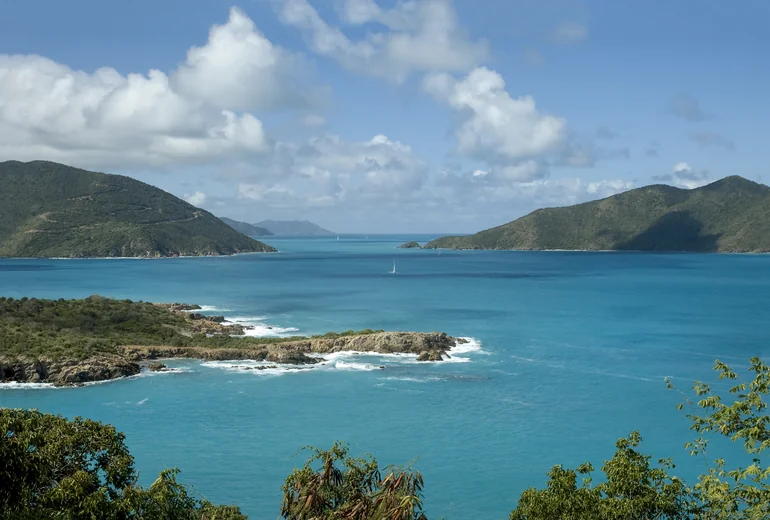
The BVI’s structured trade-wind reaching is best in mid-January through early April. November and December are second-tier peak.
The Bahamas warm a few weeks later than the southern Caribbean. February through April hits peak trade reliability. Read the full Bahamas catamaran charter guide.
The southern position pays off. Peak December to April is excellent; shoulder May-June and November-December are very good; even hurricane months stay manageable.
Northern Caribbean charters peak earlier (November) and end earlier (May) than equator-leaning grounds. Read our Martinique catamaran charter guide and St. Martin catamaran charter guide for season specifics.
Three honest questions to answer:
What’s the priority — weather or price? If weather, target January through early April. If price, target May or late November.
What’s the flexibility on dates? If your dates are locked (school holidays, work breaks), look at the season month by month. If flexible, target the value windows.
What’s your hurricane-risk tolerance? If zero tolerance, charter from Grenada/Trinidad year-round or stay within December-May elsewhere. If you accept some risk for cost savings, hurricane-season charters with strong refund policies can land at 50% below peak pricing.
For full destination details and pricing, see our destinations overview. Browse the Caribbean fleet, or request a personalised quote with your preferred month and we’ll match you to the best charter ground.
For a single 7-day window during peak hurricane months (Aug 15 to Oct 15) in the central Caribbean, the probability of a named storm impacting your itinerary is roughly 15 to 25%. Most charter operators handle this with itinerary changes (routing south, sheltering in protected bays) rather than refunds, but full refund clauses for direct hits are standard with reputable operators.
Mid-May (post-Easter, pre-summer) is the single best week for the weather-vs-price tradeoff across the entire Caribbean. Trades still reliable, rainfall still low, pricing 70 to 80% of December peak. November (post-hurricane, pre-Christmas) is the second-best window, similar conditions.
Not entirely — June and early July see the Exumas at their warmest (water 29°C), with light winds that suit family swimming. Avoid late August through early October when hurricane probability peaks. The Abacos behave similarly.
September and early October across the central Caribbean (BVI, Bahamas, Antigua, St. Martin) — peak hurricane probability and lowest restaurant/marina availability. Grenada and Trinidad remain operational year-round.
The first two weeks of December (December 1 to 14) are often the most overlooked value window — peak-season weather is firmly established but Christmas surcharges haven’t started, and restaurant tables haven’t booked out. Many charter operators run early-bird discounts of 15 to 20% on these weeks.
This guide was prepared by the Catamaran Charter Caribbean editorial team — charter brokers who have been organising weeks across all major Caribbean grounds since 2007 and have first-hand calendar data for every season described above. Last reviewed: May 2026.
If anything has shifted, write us at www.catamaran-charter-caribbean.com/contact.
Six short questions, then a real reply within four working hours.