


Caribbean Catamaran Charter from the USA: The Three-Hour Winter Escape
Miami nonstops, the St Thomas gateway, the BVI résumé rule, holiday-week pricing in dollars and the hurricane window for American crews.
Read more
One of the quiet pleasures of a crewed catamaran is that you stop thinking about food the moment you step aboard, and somehow eat better than you do at home. If you’re weighing a crewed week and wondering about crewed charter food and what to expect across seven days, the short version is this: three meals a day, cooked fresh in a galley the size of a generous bathroom, tuned to your tastes from a form you fill out weeks ahead.
The longer version is more fun, because the food is genuinely part of the trip. A good charter chef shops the islands as you sail them, swaps the menu when a fisherman pulls alongside with mahi, and turns the cockpit table into the best restaurant you’ll eat at all year. Here’s how a real week tends to unfold.
Weeks before you sail, your charter agent sends a preference sheet. It looks dull and it’s the most important document of your trip. You list allergies and hard dislikes, dietary patterns (vegetarian, gluten-free, low-carb, kids’ tastes), how adventurous you are, your favourite cuisines, and how you like to eat: long lazy lunches or quick ones so you can keep swimming.
Fill it in properly. “No shellfish” is vital. “We love grilled fish, spicy food, plenty of vegetables, the kids will eat pasta and chicken, one of us doesn’t drink” gives the chef a real map. Vague sheets get vague food. The chef then plans roughly seven dinners, seven lunches, and seven breakfasts around it, builds a shopping list, and provisions before you arrive, topping up at island markets through the week.
Mornings are unhurried. Breakfast is usually laid out around eight: fresh fruit, yoghurt, granola, local bread, eggs cooked to order, sometimes pancakes or a saltfish dish if the chef is showing off. Coffee is constant. You eat in the cockpit while the crew checks the day’s plan and the wind.
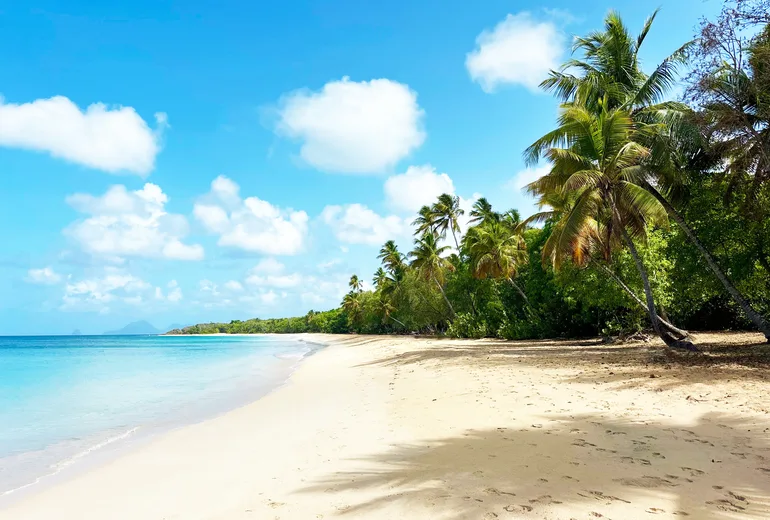
Lunch lands after the morning’s sail or snorkel, often at anchor in a quiet bay. It tends to be lighter and bright: a ceviche, grilled fish tacos, a couple of big salads with avocado and mango, a platter of cold cuts and island cheeses, maybe conch fritters if the chef found fresh conch that morning. Then the afternoon disappears into swimming and the odd nap.
Dinner is the showcase. As the sun drops, the chef plates two or three courses: a starter, a main built around the day’s best protein, and a dessert. The table is set properly, candles and all, with the anchorage lights coming on around you. Wine and cocktails flow if your boat’s bar is stocked, and the pace is entirely yours.
No two chefs cook the same week, but a representative run might look like this. Day one: welcome dinner of seared mahi-mahi with a lime butter, after a charcuterie spread while you settle in. Day two: jerk chicken with rice and peas, grilled plantain, a mango slaw. Day three: a Caribbean lobster night if you’re somewhere it’s landed fresh, simply grilled with garlic. Day four: a roti and curry lunch, then a beef tenderloin off the grill for dinner. Day five: fresh-caught snapper, whole and roasted, with breadfruit. Day six: a build-your-own taco spread the kids love. Day seven: a final feast, often the chef’s signature, sent off with a rum-soaked dessert.
The best part of crewed charter food is how local it gets. Chefs shop as they go, so your plate tracks your route. In the British Virgin Islands a chef might pick up fish at the dock in Road Town and produce on Tortola; further south, markets in Grenada or the Grenadines yield nutmeg, callaloo, and just-caught reef fish.
Conch turns up everywhere, in fritters, in a tangy salad cured with lime and Scotch bonnet, or in a chowder. Mahi-mahi, wahoo, and snapper are the workhorse fish, often grilled or pan-seared the same day they’re landed. Roti, the curry-filled flatbread that the Trinidadian and Indo-Caribbean kitchens gave the region, shows up as a knockout lunch. Expect plantain in a dozen forms, fresh tropical fruit at every meal, and a steady undercurrent of Scotch bonnet heat the chef will dial up or down to your sheet. A day on a crewed boat has its own rhythm, and we sketch the whole arc of it in a day on a Caribbean charter catamaran from sunrise to sundowner.
What about fussy eaters, allergies, and the vegan in the group? A professional chef handles all of it, provided it’s on the sheet. Coeliac, nut allergies, dairy-free, plant-based: none of these faze a good galley, but surprises do. Tell them in advance and you’ll eat as well as everyone else.
Drinks are usually generous. Most crewed charters stock the bar to your preferences, so list your spirits, the wine styles you like, beer, and soft drinks for kids and non-drinkers. Some all-inclusive packages fold the bar in; on others you’re billed for what you drink, and premium spirits may sit outside the base price. It pays to read what your package covers, which is exactly the sort of line item we map in our guide to all-inclusive crewed catamaran price tiers.
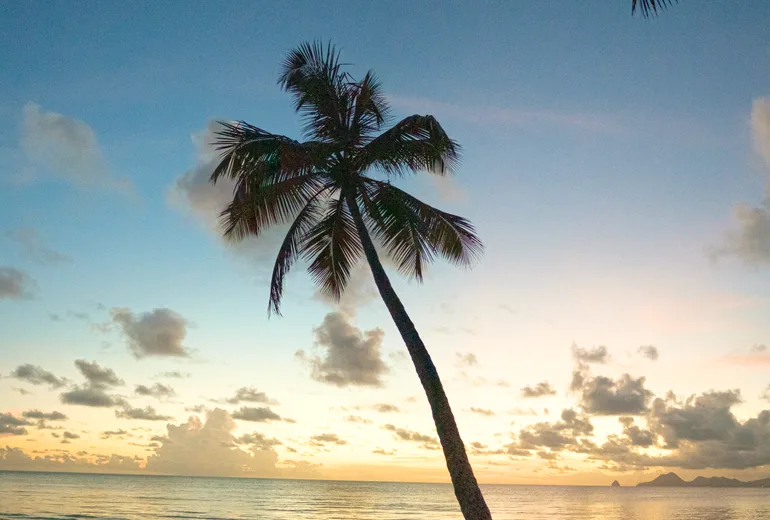
A crewed week doesn’t chain you to the boat. Most crews build in a couple of dinners ashore, and the chef plans around them. The beach bars and waterside tavernas are part of the experience: a lobster night at the Anegada Reef Hotel, painkillers at the Soggy Dollar on Jost Van Dyke, a barbecue under the palms somewhere quieter. Your skipper and chef know which spots are worth the dinghy ride and which are tourist traps, and they’ll book ahead so you walk straight to a table.
If you’re chartering by the cabin rather than taking the whole boat, the food works much the same way, cooked for the group as a whole; our look at charter-by-the-cabin Caribbean catamarans explains how shared meals run when you’re sailing with people you’ve just met.
Typically three: a relaxed breakfast, a lighter lunch at anchor, and a multi-course dinner in the cockpit, plus snacks and afternoon nibbles. Many crews also plan a dinner or two ashore during the week, which the chef builds around so nothing goes to waste.
Yes, as long as you flag them on the preference sheet sent before your trip. Gluten-free, dairy-free, nut allergies, vegetarian and vegan are all routine for a professional charter chef. The one thing that causes trouble is a surprise on day one, so be thorough up front.
Expect conch fritters and conch salad, grilled mahi-mahi, wahoo or snapper landed that day, jerk chicken, curry roti, rice and peas, plantain and breadfruit, and fresh tropical fruit at every meal. Chefs shop the islands as you sail, so the menu shifts with your route.
It depends on the boat. All-inclusive packages usually fold a stocked bar into the price, while other charters bill you for what you drink and may charge separately for premium spirits. List your preferred drinks on the sheet and check exactly what your package covers before you book.
Absolutely. The preference sheet sets the framework, but the chef checks in as you go and happily adjusts, whether you want a lighter night, a kids’ favourite repeated, or a request to try whatever the local fishermen are selling that afternoon.
Hungry for the real thing? Explore our crewed Caribbean catamaran destinations and start planning a week where the only decision at dinner is a second helping.
Six short questions, then a real reply within four working hours.
Your privacy
You can read more about how we protect your personal data and use cookies in our Privacy Policy.
With your consent, we and Google use cookies and similar technologies to store and access information on your device and to process personal data such as your visit to this website, your IP address and cookie identifiers. You can withdraw your consent at any time through “Cookies” at the bottom of every page.
We and Google process data for:
Website analytics and visit statistics, recordings of visits to improve the website, ad measurement and remarketing, storing and accessing information on your device