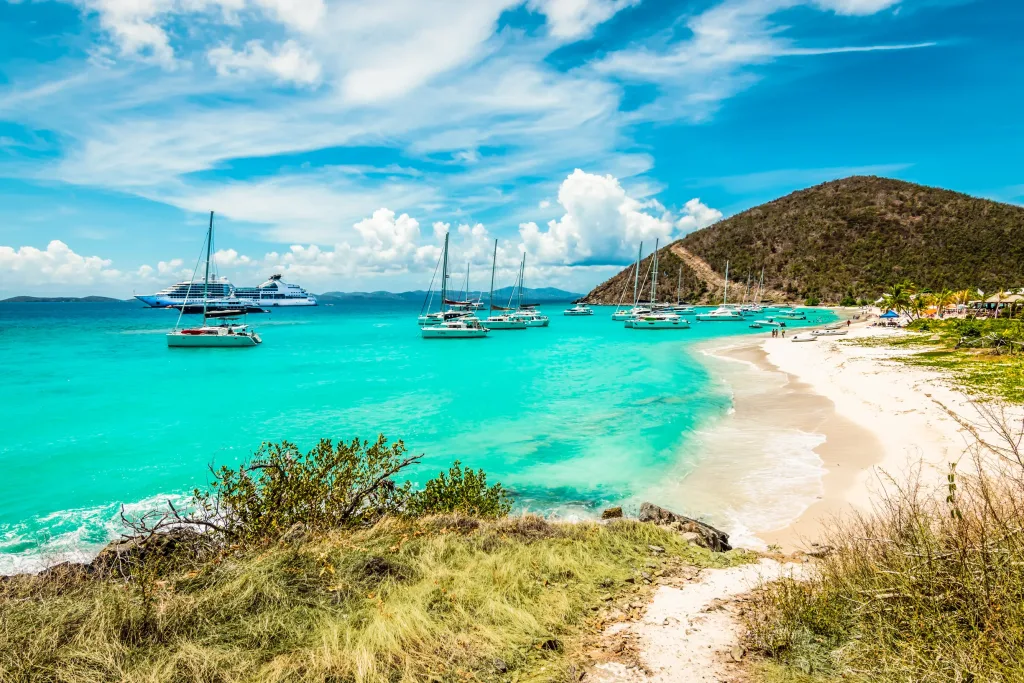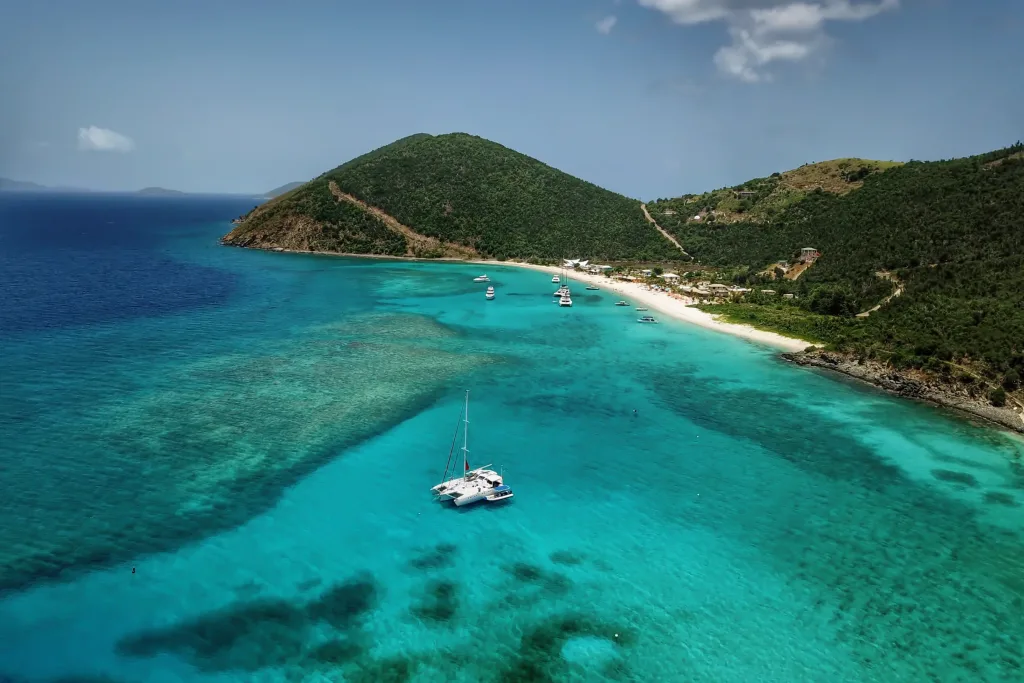
Thanksgiving Catamaran Charter 2026: The Caribbean’s Best Last-Minute Window
Why late November is the quiet pre-peak window for a Caribbean catamaran, with fresh boats and pre-holiday rates while there’s still availability.
Read more
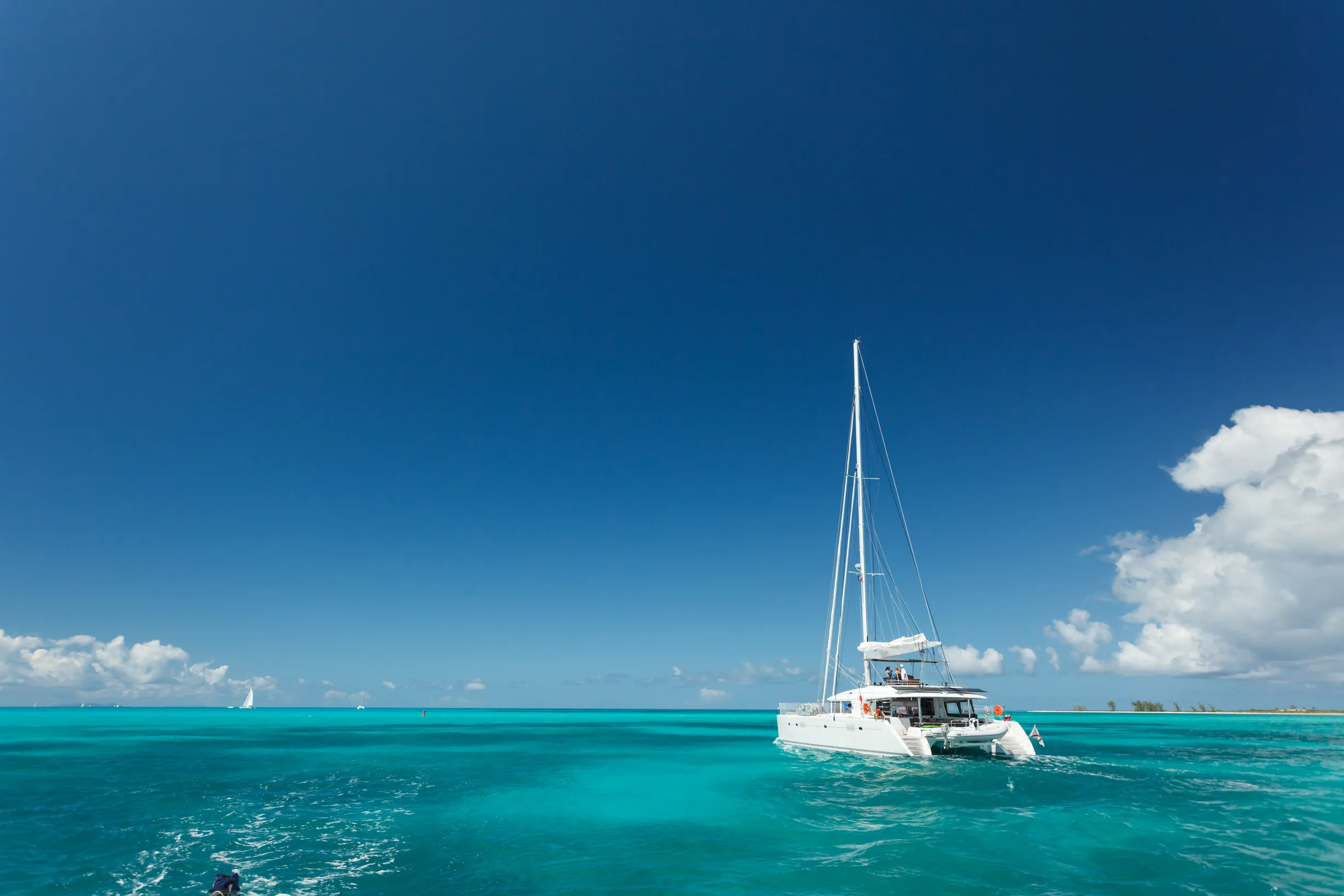
If you want a specific catamaran for Christmas in the British Virgin Islands, you are probably already too late if it is October. That sounds dramatic until you understand the math behind it. The question of how far in advance to book a catamaran charter in the Caribbean has wildly different answers depending on which week you want, and the gap between peak and shoulder season is measured in months, not weeks.
Here is the rule that experienced charterers live by: the best winter boats sell roughly two summers ahead. A returning group that loved a particular Lagoon over the holidays often rebooks for next year before they have even flown home. By the time a casual planner starts looking, the prime fleet is spoken for. Below is a practical lead-time ladder so you can match your timing to the week you actually want.
Demand in the Caribbean is sharply seasonal, and lead times track it almost perfectly. Think of booking windows as rungs: the higher the demand, the earlier you climb on.
The two holiday weeks are the single most competitive slots in the Caribbean calendar. Crewed catamarans with a strong chef and a popular layout often book 12 to 18 months out, and the very best boats go even earlier. If you are reading this in mid-2026 and dreaming of the holidays, you are looking at 2027/28 for the top tier, with only scattered availability for 2026/27. We dig into exactly what is still gettable in our piece on timing a Caribbean catamaran charter across the season.
The dry, breezy heart of winter, roughly mid-January through March, is the second-tightest window. Steady 15-to-20-knot trades, low humidity, and school-holiday overlap drive heavy demand. Eight to twelve months of lead time is realistic for a good 45-to-50-foot cat in the BVI or the Grenadines during this stretch. Leave it later and you are choosing from leftovers rather than the boat you wanted.
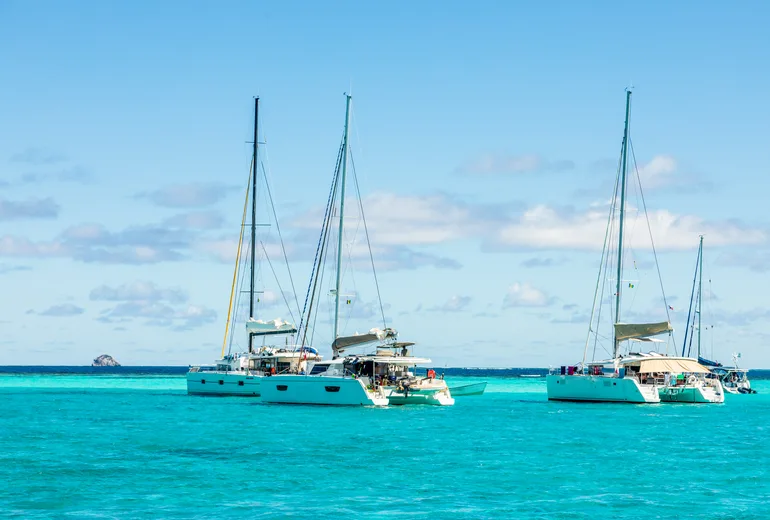
Late April into June, and again in November, offers genuine breathing room. The weather is still largely settled, prices ease, and three to six months ahead is usually enough to land a quality boat. This is the sweet spot for flexible travellers who want a strong catamaran without the holiday scramble, and rates often run noticeably below the February peak.
June through October overlaps the hurricane season, demand softens, and last-minute deals appear. One to three months can be plenty, and you will see the lowest rates of the year. The trade-off is weather risk, which makes a clear cancellation clause essential, something worth confirming in writing before you commit to a summer slot.
The two-summers rule is not marketing pressure; it is a supply story. A charter base in the BVI might field a few hundred boats, but only a slice of those are the larger, newer, well-equipped catamarans most groups want for a holiday week. Subtract the ones already promised to repeat clients, and the genuinely available pool for a prime December week shrinks fast.
Repeat bookings are the engine here. Crews who had a great holiday charter frequently lock in the same week and often the same boat for the following year on the spot, sometimes with a loyalty discount. That rolling rebooking means a meaningful chunk of the prime fleet never reaches the open market at all. By the time a first-timer searches in autumn, they are seeing the remainder, not the range.
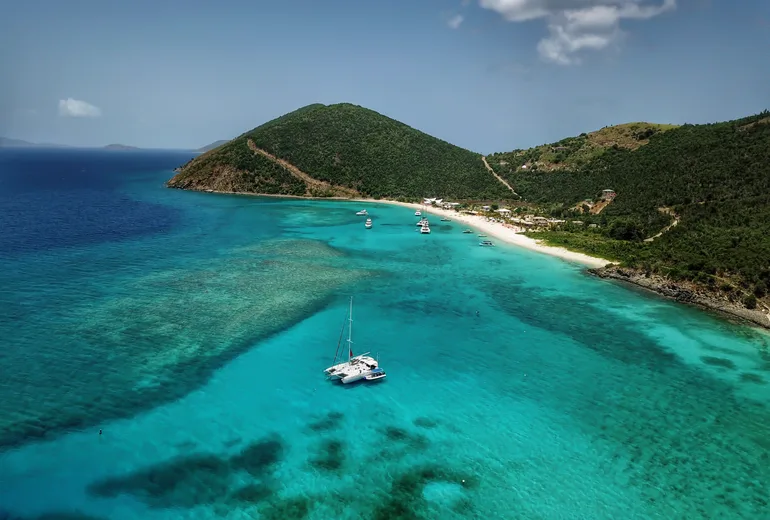
If you are planning in mid-2026, you are in a useful position. The coming winter is filling but far from sold out for shoulder weeks, and the following winter is wide open for almost anything. Acting now does three concrete things for you.
Cost-wise, booking early rarely costs you more and often saves money. Our Caribbean catamaran charter cost breakdown walks through how base rates, fees, and seasonal multipliers stack up, so you can see where an early deposit actually pays off rather than just feeling prudent.
Locking in a year or more ahead understandably makes people nervous. A few practical habits take the edge off.
Most charters take a deposit of around 25 to 50 percent to confirm, with the balance due 30 to 60 days before departure. Confirm the schedule in writing, and ask whether the deposit is transferable to another date if your plans shift.
Before you commit far ahead, understand the cancellation ladder, how much you lose at 180, 90, and 60 days out, and whether date changes are allowed. A flexible date-change clause is the single best protection for a long-lead booking, and many reputable companies offer it.

For a booking made a year out, trip-cancellation cover bridges the gap between the charter contract and life’s surprises. It is a small percentage of the trip cost and worth it for peace of mind on a major outlay.
Strip away the detail and the choice comes down to flexibility versus certainty. If your dates are fixed, especially around the holidays, book as early as you possibly can; the rule of thumb is the more rigid your calendar, the longer your lead time should be. If you can travel in the shoulder months and stay loose on the exact week, you can afford to wait and still sail a good boat.
Either way, the worst position is wanting a specific peak week and starting late. That is how groups end up either paying a premium for a lesser boat or abandoning the dates entirely. Decide which season you want first, then climb onto the matching rung of the ladder. For a sense of where each destination sits on price and crowding, our look at how the BVI, Bahamas, and Grenadines compare on cost per person per day helps you choose a base before you fix a date.
For the holiday weeks, plan on 12 to 18 months ahead, and longer for the very best crewed boats. Repeat clients rebook a year out, so the prime fleet thins early. If you want a specific layout or chef for December, treat 12 months as the minimum, not the target.
Almost. The dry, breezy peak from mid-January through March draws heavy demand, so 8 to 12 months of lead time is realistic for a quality 45-to-50-foot catamaran. It is slightly more forgiving than the holidays but still well ahead of casual planning.
Yes, in the shoulder and summer seasons. Late April to June and November typically need just 3 to 6 months, and the summer overlaps the lower-demand hurricane season where 1 to 3 months can work. You trade some weather certainty for far more availability and better rates.
Often, yes. Many operators offer early-booking discounts of 5 to 15 percent, and prices on popular boats climb as availability shrinks. Booking ahead rarely costs more than waiting, and it secures the boat you want rather than the one that happens to be left.
A flexible date-change clause and a transferable deposit are your best safeguards, so confirm both in writing. Adding trip-cancellation insurance, usually a small percentage of the trip cost, covers the gap for events the charter contract will not.
Ready to lock in the right week before it is gone? Start with our Caribbean charter destinations overview to choose your base, then match your dates to the lead-time ladder above.
Six short questions, then a real reply within four working hours.