Antigua & Barbuda 7-Night Catamaran Itinerary: English Harbour to Pink Sand
A week-long Antigua catamaran itinerary linking Nelson’s Dockyard, the island’s best bays and a two-night Barbuda detour to the pink-sand beach.
Read more
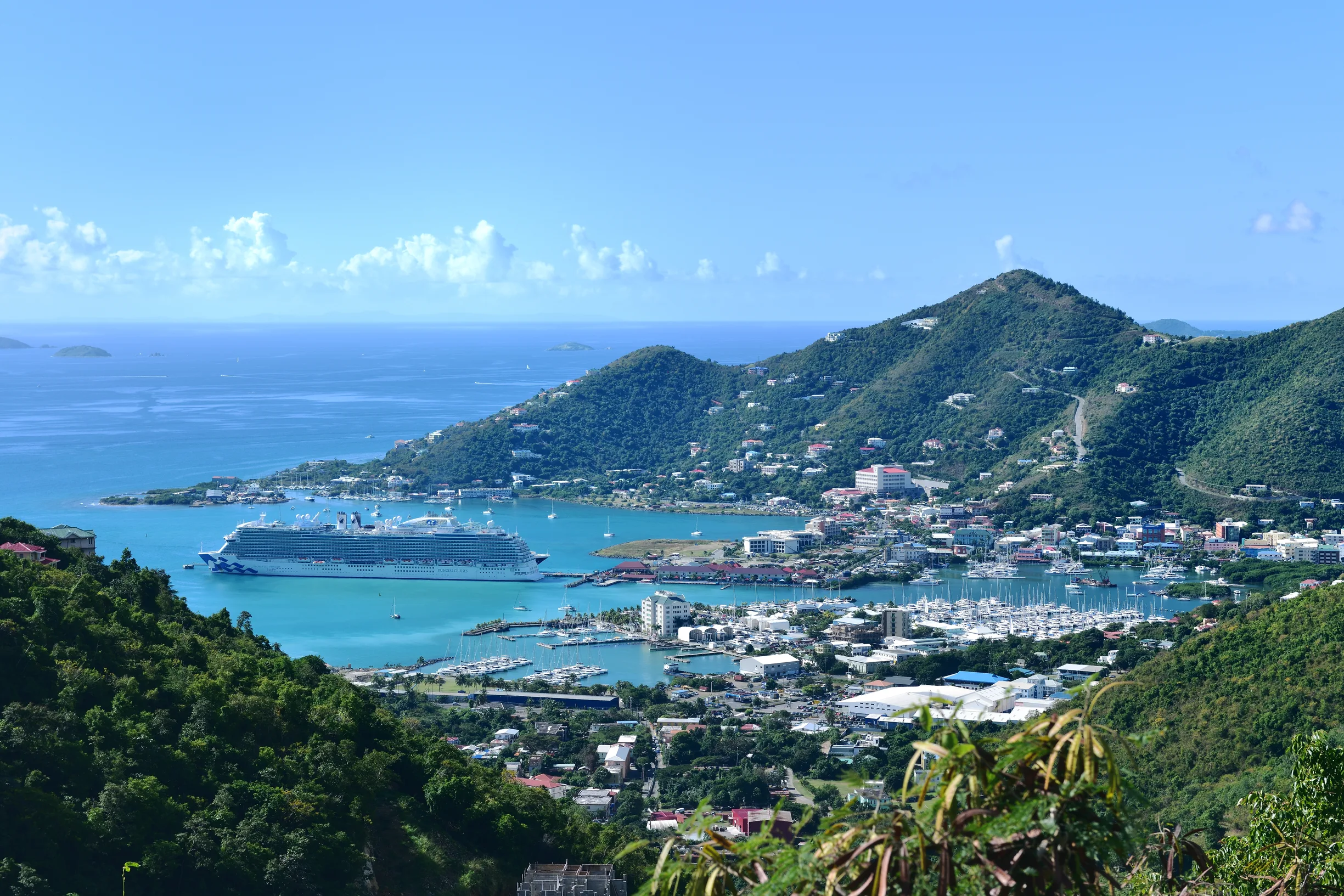
The base price on a BVI catamaran quote is the start of the conversation, not the end of it. A 45-foot cat advertised at, say, 9,000 USD for the week looks clean until you add the fees that only appear once you are on the water — and by then the meter is running.
This is a line-item walk through the real BVI charter hidden costs: the cruising permit, National Parks Trust fees, mooring balls, fuel, customs and the rest. Add them up and most first-timers find 1,200-1,800 USD that never showed in the original number. Knowing them in advance is the difference between a relaxed budget and a nasty surprise at the fuel dock.
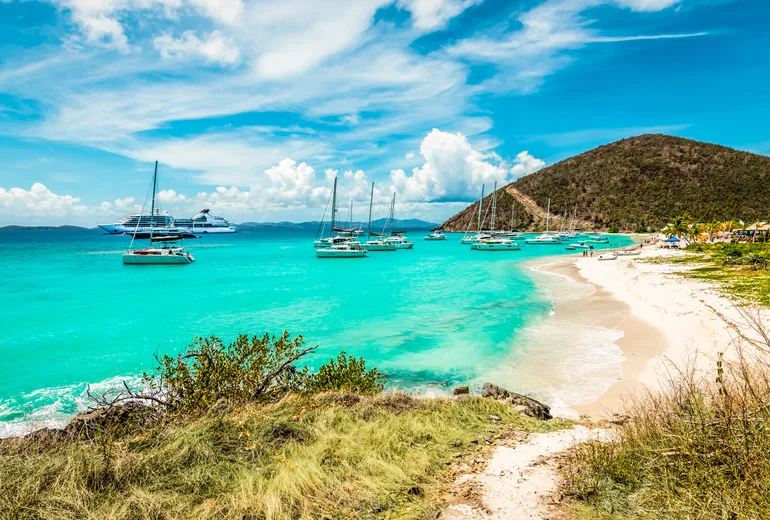
Every charter boat in BVI waters needs a cruising permit, priced per person per day. In high season (December through April) the rate is higher than the summer band, and the boat company usually collects it as a pre-departure charge or hands you a form to clear yourself. For a crew of six on a winter week, the permit alone can run roughly 50-100 USD per person across the trip.
If you are arriving from the US Virgin Islands or beyond, you also clear customs and immigration on entry. Expect a modest per-boat and per-person fee at the Customs office in places like West End, Road Town or Spanish Town, plus an environmental levy. None of these are large individually, but they stack — and they are almost never in the headline price.
One quiet trap: if you sail across to the USVI mid-week — say for a lunch stop at St John — you clear out of the BVI and back in, with fees both ways. It is a lovely day trip, but factor the double clearance and the time into your plan rather than discovering it at the dock. Keep every crew member’s passport handy, because immigration wants the originals, not photos.
This is the big one. Open anchoring is limited across much of the BVI, so most nights you will pick up a mooring ball rather than drop your own hook. Balls run roughly 35-55 USD a night depending on the field and the operator, and the popular spots — The Bight at Norman Island, Great Harbour and White Bay on Jost Van Dyke, Cane Garden Bay — fill fast in season.
Many fields now use the BoatyBall reservation app, which lets you book a ball ahead for a premium rather than racing for one at 2pm. Over a seven-night week, plan on 250-380 USD in mooring fees alone. A few anchorages are free if you can anchor in sand, but treat that as a bonus, not a budget line.
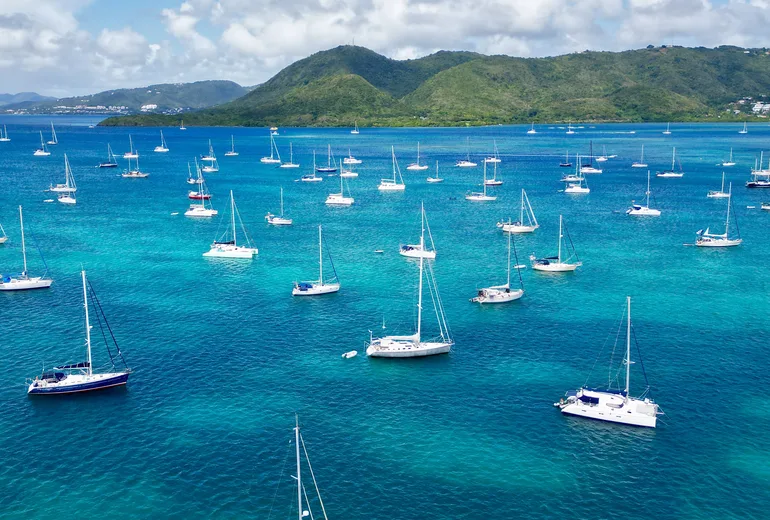
Sites managed by the BVI National Parks Trust — The Baths at Virgin Gorda, the Indians, the wreck of the RMS Rhone — carry their own moorings and a permit fee. A Parks pass is typically a few dollars per person per day, sold as a sticker or a short-term permit. It is small money, but you cannot legally pick up an NP mooring without one, and rangers do check.
Catamarans sip fuel compared with the distances, but you still leave with full tanks and return them full or pay the markup. A typical BVI week burns maybe 80-150 USD of diesel depending on how much you motor between islands and how hard the generator and air conditioning work. If your boat has a watermaker you save on water; if not, dock water runs a few dollars per refill and you will want at least one top-up mid-week.
The dinghy is part of the deal but its fuel is on you, and so is the occasional dinghy-dock fee at busier bars and marinas. None of this is huge, but it is real cash that the base rate quietly assumes you will absorb.
Ice is a genuine line in the tropics — a cat without a big freezer goes through bags fast, and at 3-5 USD a bag across a week it adds up to more than people expect. Garbage disposal is charged at some marinas, drinking water at others, and a few of the busier beach bars now levy a small fee just to land the dinghy on their dock. Individually trivial; collectively another 40-80 USD over seven nights. The point is not that any single charge is unfair, but that the headline rate assumes you will quietly cover all of them.
A few charges surprise people because they sound like they should be included. A starter or provisioning kit (ice, basic galley supplies, first tank of water) may be a flat fee. Travel insurance and a damage waiver or security deposit are separate — the waiver typically buys down a multi-thousand-dollar deposit to a smaller non-refundable fee. And if you add a skipper or hostess, that is a daily rate plus their food and a tip.
Speaking of tips: on a bareboat there is no crew to tip, but on a crewed charter, 15-20% of the base is the Caribbean norm and it is a meaningful line. Our look at how bareboat and crewed catamaran charters really compare spells out where those crewed extras land.
For a crew of six on a winter bareboat week, a realistic extras tally looks roughly like this: cruising permit and customs 350-500 USD, moorings 280-380 USD, Parks fees 60-90 USD, fuel and water 120-200 USD, provisioning starter kit and ice 80-120 USD, plus the damage waiver, which alone can be 300-500 USD. That is comfortably 1,200-1,800 USD on top of the base — before you have bought a single rum punch ashore.
Provisioning your own galley is the single biggest lever on the rest of the trip. Our BVI provisioning and Tortola cost guide shows where to shop and what a week’s food really runs, and the wider Caribbean catamaran charter cost breakdown puts these extras next to the base rate. If you are still choosing where to sail, BVI versus Bahamas versus Grenadines on a cost-per-person-per-day basis shows how these fee structures differ by destination.
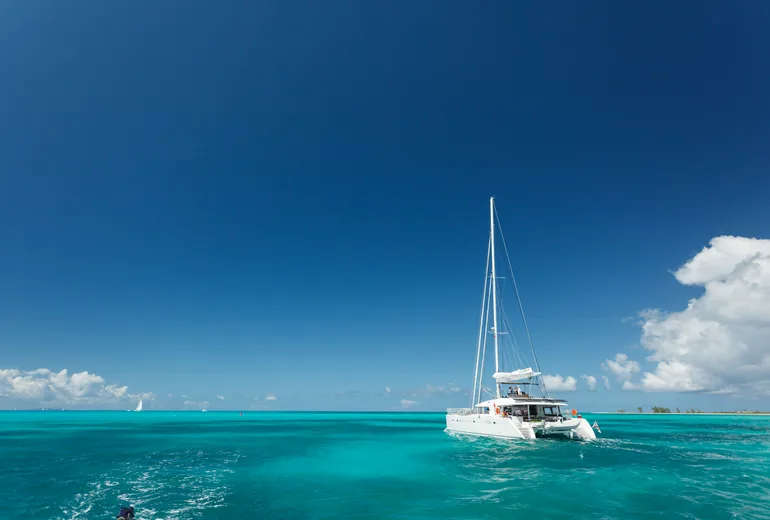
A few habits keep the surprise budget honest. Pre-book moorings on busy nights through BoatyBall rather than paying the scramble premium of a missed slot and a marina berth. Provision once, well, in Road Town instead of topping up at island mini-marts at double the price. Buy the damage waiver — a single grounded prop shaft costs more than a season of waivers. And ask your broker for the all-in number, permits and waiver included, so you are comparing real totals across companies rather than headline base rates.
Splitting the extras across a full crew softens the blow considerably. On a six-person boat, that 1,200-1,800 USD of fees works out to roughly 200-300 USD a head for the week — modest against the base rate and against what the same week ashore would cost. The crews who feel ambushed are usually the ones who never asked the question; the ones who budgeted for it barely notice. Treat the extras as part of the real price from the start and the only surprise left is how good the lobster tastes after a long sail.
For a crew of six on a seven-night week, plan on roughly 1,200-1,800 USD in extras — cruising permit, customs, moorings, Parks fees, fuel, water and the damage waiver. The figure scales with crew size and whether you sail in high or low season.
Mooring balls typically cost 35-55 USD a night depending on the field and operator. Over a week of mostly mooring rather than anchoring, that adds up to roughly 250-380 USD. Booking ahead through the BoatyBall app avoids the afternoon scramble for popular bays.
Usually not. The BVI cruising permit is charged per person per day and is normally collected separately by the charter company, with a higher rate in winter than summer. Always ask whether the quote you are comparing includes permits and the damage waiver.
Yes, if you use moorings at protected sites like The Baths, the Indians or the Rhone wreck. The National Parks Trust charges a small per-person daily permit, sold as a sticker or short-term pass, and rangers do check. Budget a few dollars per person per day.
Want the full picture before you commit a deposit? Read the complete Caribbean catamaran charter cost breakdown and budget your BVI week with no surprises at the fuel dock.
Six short questions, then a real reply within four working hours.